Lessors risk insurance by state
Lessors Risk Insurance in Pennsylvania
If you own a building in Pennsylvania and someone else occupies it, the policy you need is not the one your tenant carries. This page collects what Pennsylvania law actually says about the exposures that decide those claims, and points you to the market detail for each city we write in.

What Pennsylvania law says
The vacancy provision
Pennsylvania prints a standard fire policy in its own code, and that policy
carries a vacancy condition. The words that matter are these — the
provision suspends coverage
while a described building, whether intended for occupancy by owner or tenant, is vacant or unoccupied beyond a period of sixty consecutive days
.
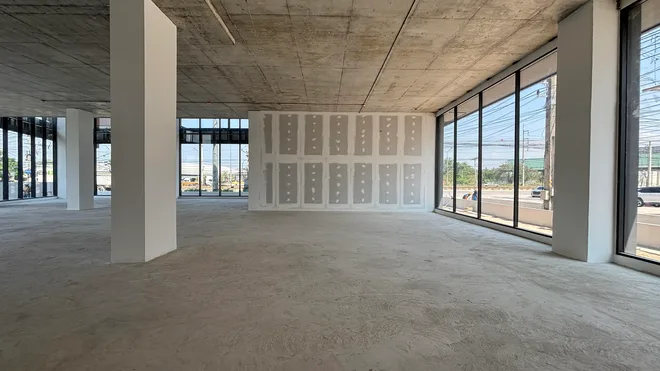
For a landlord the vacancy provision is the whole point of reading the state’s own fire policy: the clock is written around the BUILDING being empty, not around whether you did anything wrong. A tenant who leaves quietly between leases starts it running, and nothing about the departure announces itself.
Source: Section 506 of the Insurance Company Law of 1921, 40 P.S. § 636
If the standard market declines the building
Pennsylvania maintains a residual-market mechanism for property that cannot be placed conventionally: Fair Plan administered by an Industry Placement Facility under The Pennsylvania Fair Plan Act, 40 P.S. §§ 1600.101 et seq..
Pennsylvania’s insurance regulator is the Pennsylvania Insurance Department, which is where to verify any producer’s license before you buy.
A two-column matching panel. On the left, four things that happen to a Pennsylvania commercial building: it sits empty between tenants, its shell is damaged, the rent stops, or a claim is brought against the owner. On the right, the policy line that responds to each in turn: the vacancy condition, commercial property coverage, business income and loss of rents, and general liability for the premises. A footnote records that flood and earthquake are placed separately rather than answered by this form. No figures are shown.
What happens to the building
What answers it
Flood and earthquake are placed separately, not by this form.
Where we write in Pennsylvania
Building stock, development pattern and municipal ordinances vary far more between cities than state law does. The city pages carry that detail.
By property type
What answers each of these in the policy
The exposures above are Pennsylvania law and Pennsylvania geography. These are the coverage lines that respond to them, explained without the state attached:
- Business Income & Loss of Rents
- Commercial Property
- General Liability
- Commercial Umbrella
- Tenant Discrimination
What all of that costs in Pennsylvania, and which of the drivers you control: How Much Does Commercial Property Insurance Cost in Pennsylvania?
Pennsylvania lessors risk insurance FAQs
Does Pennsylvania law decide when my building counts as vacant?
Pennsylvania prints a standard fire policy in its own insurance code, and that policy carries the vacancy condition your form is built around. The clock in it runs on the BUILDING being empty, not on anything you did wrong. Read the operative words quoted on this page, then read your own policy — the condition is where the consequence actually lands.
My tenant moved out between leases. Does that start anything?
It can, and quietly. A vacancy condition measures the building’s occupancy, so an orderly move-out at the end of a term starts the same clock a sudden default would. Nothing announces it. If a space is going to sit, tell your broker before it does — the endorsement conversation is straightforward in advance and very difficult after a loss.
Is lessors risk the same as the policy my tenant carries?
No, and the gap between them is the reason this page exists. Your tenant’s policy answers for the tenant’s business, inventory and their liability to their own customers. It does not answer for your building, your loss of rents, or a claim brought against you as the owner. Both policies can be in force and the building still be uninsured.
What does loss of rents actually pay for?
It answers the rent that stops when a covered loss makes the space unusable, for as long as the policy’s period of restoration runs. The measure is the time it reasonably takes to repair, not the time your tenant chooses to stay away, and not the remaining term of the lease. It is the coverage most often bought too thin.
Who regulates the carrier writing my Pennsylvania building?
The Pennsylvania Insurance Department. It is also where to verify a producer’s license before you buy from anyone, including us. The link sits in the Sources block on this page. Checking a license takes about a minute and is the cheapest piece of diligence available to a commercial property owner.
What if no standard carrier will write the building?
Pennsylvania maintains a residual-market mechanism for property that cannot be placed conventionally, and because it is verified we name it on this page with a link to the statute behind it. It is a genuine last resort rather than a bargain: narrower terms, and priced accordingly. It exists so a building is not left bare.
Sources
Every Pennsylvania regulatory statement on this page is drawn from a primary government source. Verify them directly:
- Section 506 of the Insurance Company Law of 1921, 40 P.S. § 636 — the vacancy provision quoted above, in Pennsylvania’s own statutory text
- Pennsylvania — the state’s own source for the residual-market mechanism — the residual market named above, where the standard market declines a building
- Pennsylvania Insurance Department — the state regulator named above, and where to verify any producer’s license
Get a Pennsylvania lessors risk quote
Tell us what you own and who occupies it. We come back with the shape of the placement, not a form letter.