
Lessors risk insurance by city
Commercial Property Insurance in Pittsburgh, Pennsylvania
The thing that damages a Pittsburgh building most reliably does not arrive on a date. The red shale under these hillsides weathers into clay, groundwater saturates the clay until it can no longer hold its slope, and the rock beneath gives up a little strength every wet and dry season, so support is removed on an annual ratchet rather than in an event anybody could file against. That is awkward to underwrite, because the building reads as sound right up to the day its floor stops being level. The walls keep the same account on a shorter cycle: freeze and thaw work an old masonry elevation joint by joint, and leave a record legible years before the slope’s.
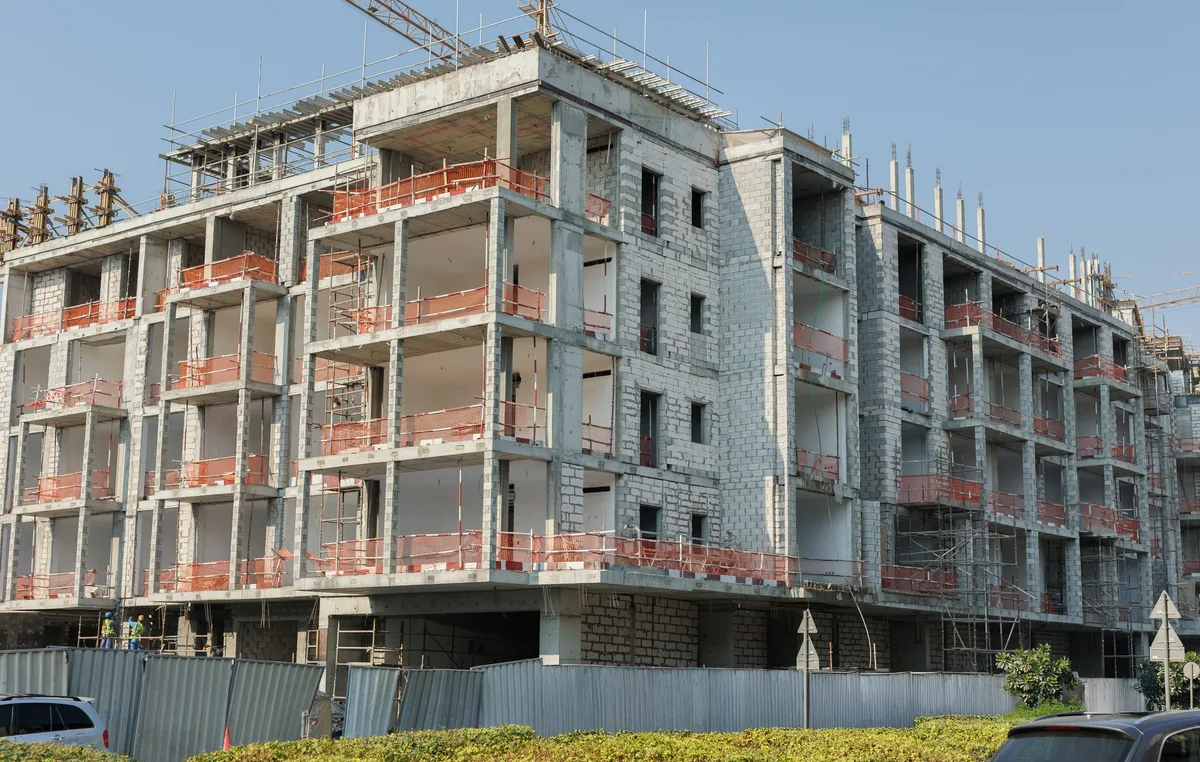

The building stock
Hillside masonry and brick commercial blocks with legacy industrial and warehouse conversions along the river valleys.
Downtown triangle core with neighborhood business districts strung along river valleys and steep hillside corridors.
What the weather and the ground do here
Slope instability, landslide and riverine flooding exposure combined with freeze-thaw deterioration of older masonry walls.
Start with what the floors will take. The warehouse blocks along the Allegheny were put up to hold freight and bulk goods, and they were deliberately built far heavier than that work required, which is why kitchens, brewhouses, offices and shops have gone into them without anyone strengthening the frame first. Capacity is the one thing an owner here is rarely asked to defend, and that moves the whole conversation onto what was put into the shell afterwards: the extract and the make-up air, the tank work, the sprinkler heads somebody moved, the service upgraded twice, and who signed off on each. Upriver in Lawrenceville the difficulty is a different one, because rowhouses, commercial blocks and former industrial buildings run continuously into one another with no break in the street wall. What abuts your storefront may be somebody’s home, or a mill that has been shut since long before you bought, and an underwriter will ask what stands to either side of your walls before it asks a single question about your tenant. The masonry keeps a separate ledger from the frame. Freezing does not attack a sound wall so much as a wet one: water gets in through an open joint, a failed coping or a downspout discharging where it should not, and the cycling then works over successive winters, surfacing as spalled brick, dropped pointing and displaced stone at the head of the wall. Which puts unusual weight on one ordinary question: where the water off your roof actually goes. Down a wall face it keeps the wall wet; onto a hillside parcel it reaches the ground the building stands on. One downspout, both of this city’s problems.
Five conditions an owner meets in Pittsburgh, each set beside where it lands in an insurance program. The conditions run in order: red shale weathering into clay under a hillside footing; coal workings beneath ground that a general map will not resolve to one parcel; a floor built for freight and now holding a kitchen; a commercial block running straight into whatever abuts it; and a space emptied by an engineer’s timetable rather than by a lease. Set against those, in the same order, are the earth movement wording and where it stops, records and an engineer rather than a lookup, what was inserted into the shell and whether it can be shown, exposure from buildings the owner cannot inspect, and a dated record of when the floor actually went quiet. A closing line observes that the slope keeps working whether or not anybody is watching it.
What a Pittsburgh building is standing on and next to
Where that lands in the placement
The slope keeps working whether or not anybody is watching it.
What Pennsylvania law adds on top
Ground movement is also how a building here empties. A wall that has moved is not a repair anyone can schedule at the first visit: the slope has to be investigated before a fix can be drawn, and a tenant handed no date goes and trades somewhere else. What follows is a stretch of months in which nobody is using the space, nobody chose that, and the building is still yours to insure. The date the last tenant finally walked out and the day an engineer first stood on the slope are separate facts, and only one of them ends up written down by default. Recording the other costs nothing at the time, and it is the whole difference between describing an idle stretch afterwards and evidencing one. A second distinction is worth holding onto, because Pennsylvania’s provision names two conditions rather than one. A building can be emptied of its tenant and of nothing else: the fit-out still installed, racking and stock still standing, nobody through the door since spring. That is an ordinary state for a block waiting on slope work, and an owner satisfied their building does not answer to the first word can find it answers to the second.
Pennsylvania prints a vacancy provision in its own code, and it runs on the building’s occupancy rather than on your conduct.
The statute and the exact words where there are any, together with whatever the research recorded, are on the Pennsylvania page.
What a building costs to insure across the whole state is covered in How Much Does Commercial Property Insurance Cost in Pennsylvania?
By what you own in Pittsburgh
Retail in Pittsburgh is a street rather than a center, East Carson Street through the South Side Flats, Butler Street running the length of Lawrenceville, the older commercial rows in Bloomfield and on the North Side, narrow frontages, independent tenants, and buildings that predate the parking. Office divides between the Golden Triangle downtown and plates carved out of former industrial shells in the Strip District and East Liberty, which an underwriter treats as unrelated products. Downtown is its own case, because a building on the Triangle has almost no site: the walls are the property line on every face, there is no lot to drain or light, and what an owner elsewhere controls outdoors here belongs to the city. The elevation and the pavement beneath it are the whole outdoor exposure. Mixed use here usually means a habitational component dropped into an industrial volume: the ceiling heights and column spacing were set by a process rather than by rooms, and whatever fire separation divides the residential floors from what trades underneath them went in long after the walls did.
The coverage lines behind all of this
An owner’s program is assembled out of separate purchases that were never drafted to overlap neatly, and the seams between them are where the surprises live. The line to read closely on this stock is whichever one an undated, unhurried loss would have to be argued under, because a form built around events has the most trouble with damage that arrived by accumulation. What each of these carries, and what it hands to the one beside it:
Pittsburgh commercial property insurance FAQs
Why does an underwriter ask about the hillside behind my Pittsburgh building?
Three conditions have to line up before a slope fails here, and this city supplies all of them as a matter of routine: red shale and claystone that weathers into a clay, a steep grade, and water sitting in the failure zone lubricating it. The hillside is not scenery in that picture, it is the third variable. What helps at placement is whatever you hold on the ground itself — a soils report, drainage work, a retaining structure and a record of who maintains it.
My building is not on a slope. Can the ground still be a problem?
It can, from underneath. Large parts of Allegheny County were mined for bituminous coal, and subsidence is movement of the ground surface caused by underground workings collapsing or failing. The damage signature is distinctive and worth learning: cracked foundation walls and floors, cracked brick veneer, and severe tilting. Notice what is missing from that list, which is water. A loss that arrives dry, with the structure out of plumb, is a different conversation with an insurer from one that arrives wet.
Can I find out whether my own parcel is undermined?
Not at that resolution from anything general. Federal geologists publish mapping of coal bed depth, mining activity and related surface subsidence for the counties around the city, and it works at a regional scale rather than at a street address. The strongest supportable statement is that large parts of Allegheny County sit over old workings. Getting from there to your own parcel is a records question with an engineer attached, not a lookup, and it is far cheaper to answer before a wall moves than after one has.
What gets asked about a converted Strip District warehouse?
Rarely the frame. Those blocks went up for freight traffic and bulk storage and were intentionally overbuilt for heavy industrial use, so restaurants, breweries, offices and shops have moved in without the structural work a lighter building would have demanded. That pushes the questions onto what was put inside the shell instead: the cooking and the ventilation, the tank and glycol work, the relocated sprinkler heads, the electrical service, and whether you can show who did each of them and when they did it.
My tenant walked out and the space will sit empty while the slope work is designed. What now?
You are in a stretch your own policy has an opinion about, and the cause of the idleness is not part of that opinion. A building emptied by an engineering problem reads on paper like one emptied by a lease running out. Two things are worth doing now: give your broker the day the space actually went quiet rather than the day you noticed, and put the engineer’s scope and timeline into the same file as the policy. An idle stretch with a documented start and end is a different file from one discovered at claim time.
The rivers flooded downtown once. Is that my flood exposure now?
The worst historical flood at the confluence put a majority of the downtown business district under water, and it is why the dams, levees and reservoirs upstream were built at all. That inundation is history, though, not a map. Where the regulatory floodplain runs today is a separate determination and cannot be reasoned out from an old high-water line, so get the current answer for your own address. Whichever way it comes, flood is not carried by a property form; it is bought separately or it is not bought.
Sources
Pennsylvania’s insurance department administers the policy side of everything above, and the same department publishes who is licensed to sell one in the state. Its remit is the company and the producer, who may write here and who may place it, and it stops at the edge of the policy:
- Pennsylvania Insurance Department — the Pennsylvania regulator, and where to verify any producer’s license
Price a Pittsburgh building with the ground included
Useful up front: how the building sits against the grade, what the shell was raised for and what it holds now, whether anyone has ever put anything in writing about movement, and how many of the floors are let right now. Add whatever exists on the walls: the last repointing, the condition of the coping, where the roof water discharges. On this stock that is the cheapest evidence an owner can hold, and hardly anybody holds it. That is enough to know whether this is a straightforward placement or one that wants an engineer’s file attached before a market will price it.