Commercial Property Insurance in Jacksonville, Florida
The St. Johns runs north past downtown Jacksonville and it is tidal a long way above the ocean, so a building here can stand well inland and still sit on salt water. When a storm comes up the peninsula, wind off the sea pushes that water back upriver while the rain the same system dropped in the basin above is still on its way down. Both loads reach the same blocks, and they do not queue.
Nate Jones is a CPCU-designated insurance broker and the founder of Wexford Insurance, LLC and Lessors Risk Guard Insurance. He places lessors risk and
commercial property coverage for owners who lease buildings to commercial tenants,
through a specialty panel writing in 48 states.
Reach him through the quote form or call 317-942-0549.
Last updated · Reviewed by Nate Jones, CPCU
The building stock
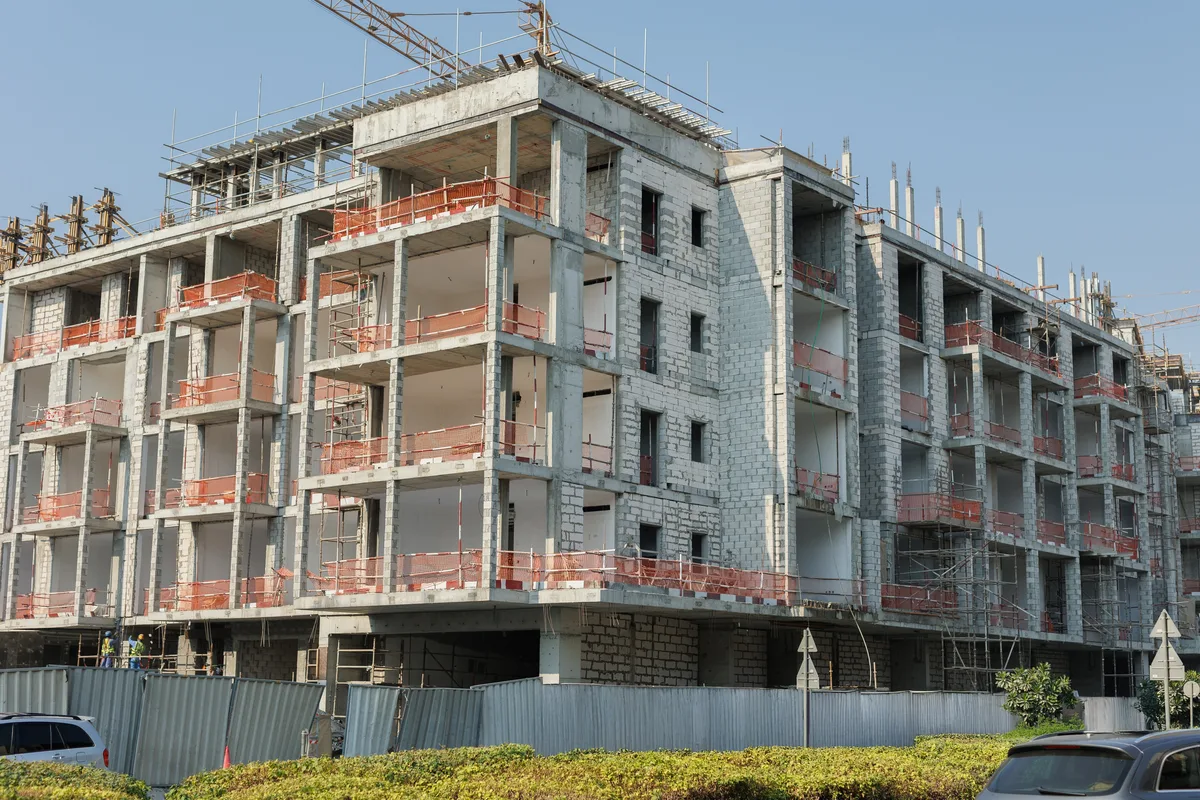
Compact downtown mid- and high-rise core with extensive low-rise concrete-block and metal commercial, warehouse and port-related stock, plus coastal condominium buildings.
Very large consolidated city with dispersed suburban corridors, a compact downtown, and port and logistics districts.
What the weather and the ground do here
Atlantic hurricane wind and storm surge, with riverine and tidal flooding along the St. Johns.
The temptation is to read that as one inventory, and this city invites the mistake more than most, because its limits were drawn around places that used to be separate. One district beside downtown was an independent city before it was annexed; another grew out of the town that stood on the opposite bank of the river. Each was laid out to serve the blocks around it, which is why purpose-built neighborhood retail turns up here in streets that read as residential on a map. The older fabric has an unusual starting line as well. This city burned, comprehensively, and the districts north and west of the core went up in the rebuilding push that followed — a large body of stock raised fast, by owners all rebuilding at once, and built nothing alike: masonry, frame and hybrids on the same block, among the most varied architecture in the state. Out past the interchanges the clock starts again much later, on flat ground drained the way a later era drained things. So the questions that decide a survey change street by street: what the walls actually are, what the site does with water it cannot shed, and which of those histories the building belongs to.
Jacksonville conditions, each set against the thing a submission has to pin down in its place. How far the address stands from tidal water, against a flood placement rated on the site rather than on the city. Rain landing upstream on a river already pushed up, against how your own form reads water arriving from both ends at once. The former town center a block was built to serve, against occupancy and construction priced building by building. A district rebuilt all at once and built nothing alike, against what the walls turn out to be once somebody has looked. Buildings held on one schedule across a very wide city, against how the limit is allocated and what carries its own deductible. And space standing empty between one tenant and the next, against the point where an owner’s own form stops calling that space occupied.
What changes from one address to the next here
What a submission has to pin down
How far the address stands from tidal water
A flood placement rated on the site, not the city
Rain upstream landing on a river already pushed up
How your form reads water arriving from both ends
Which former town center the block was built to serve
Occupancy and construction, priced building by building
A district rebuilt at once and built nothing alike
What the walls are, once somebody has looked
Buildings held on one schedule across a very wide city
How the limit is allocated, and what carries a deductible
Space standing empty between one tenant and the next
Where your form stops calling the space occupied
One jurisdiction, and no single reading of a building inside it.
Inside one set of city limits, the address does the work.
The local law that binds you
An owner’s first instinct with a duty like this is to work out whether it applies to them, and here that is a live question rather than a formality. The note printed under each passage draws a boundary that two shells of the same age on the same street can fall on opposite sides of, and that a building can cross without a brick moving. So the answer belongs to your address and not to your block — which matters more than usual in a jurisdiction this size, where reasoning outward from the neighbors is an easy habit to fall into. There is a second reason to care that duties of this kind exist at all. A city that requires a structural look at a class of buildings, and keeps a record of which ones they are, has put in writing that a structure runs on a clock. Your policy has never disagreed with that. It simply settles the argument afterwards, at a loss, out of whatever the file happens to hold.
A condominium association under Chapter 718 and a cooperative association under Chapter 719, located in Duval County excluding Urban Services Districts 2, 3, 4, and 5, must have a milestone inspection performed for each building that is three stories or more in height by December 31 of the year in which the building reaches 25 years of age, based on the date the certificate of occupancy for the building was issued, and every ten years thereafter.
This applies to condominium and cooperative associations only, and is geographically limited by Urban Services District. It does not reach a commercial building held by an ordinary owner, and it is separate from Florida’s statewide milestone requirement.
Milestone Inspection Regulations — building registration requirement
all existing commercial and residential buildings, operating as cooperatives or condominiums, as defined herein, which are two stories in height (including parking levels as a floor) and taller that are not single family homes, shall register with the Building Inspection Division
This reaches commercial buildings by its own words, but only those operating as cooperatives or condominiums. The word commercial here does not extend to every commercial building.
How a building gets to empty has a local shape here that is worth knowing before the wording matters. This is one jurisdiction stretched across a very wide area, so an owner can hold a downtown floor and an outer-corridor unit under the same policy and set foot in one of them rarely. Space at the far end of a schedule goes quiet without anybody making a decision about it, and the news travels slowly. The other route runs through the river: a ground floor that has taken water stops being used on the day it happens rather than on the day a lease ends, and the repair is somebody else’s queue as much as yours. Either way, the wording that decides what comes next is looking at whether the space is in use. It is not looking at why it stopped.
We did not find a standard fire policy printed in Florida’s insurance
code. That is a limit on what we searched, not a finding that no such
provision exists — so treat your own policy’s vacancy condition as the
operative text, and read it before a unit goes dark between tenants.
The statute and the exact words where there are any, together with whatever the
research recorded, are on the
Florida page.
Retail here is often a purpose-built neighborhood center in a district that was laid out to serve its own blocks rather than a highway, and it prices nothing like a strip on an outer corridor. Office runs from the compact core and the Southbank across the water out to the business parks that grew up around an interchange long afterward. Mixed-use is mostly the older streetcar fabric — trade at the sidewalk with living space over it, in shells that were drawn for both and separated for neither. Three eras, three kinds of ground, and three different arguments about who owns the fit-out.
None of what follows is about Jacksonville. The lines themselves are the subject: what each one is for, what it will not do, and which of them owners most often discover they never bought:
The storm had passed and the river was still coming up. What was that?
Water reaches this city from both ends of the same storm. Wind off the ocean pushes a tidal river back on itself first, and the rain that system dropped in the basin upstream is still working its way down while it does. Those two loads meet rather than take turns, so the peak can land well after the sky has cleared. The worst of it here came from a system whose center tracked inland of the city, which is why local landfall is a poor guide to what a ground floor sees.
The inspection passages do not look like they reach my building. Is it still my problem?
Settle it for your own address rather than for the street. The boundary set out in the note under each quoted passage is narrower than most owners assume, and it does not track the age or the use of a building, so two neighbors can sit on opposite sides of it. It can also move over time without any construction happening at all. Whichever side you are on, keep the paperwork that shows it — an underwriter asking the question later will want an answer about your building, not about the block.
My Springfield storefront counts as old for this city. What gets read into the age?
Less than the age suggests and more than the district does. The older commercial fabric north and west of downtown went up in a single rebuilding push after the city burned, and it was built nothing alike — masonry, frame and hybrids standing side by side, among the most varied architecture in the state on one block. So a district-level assumption about construction is unreliable here. Expect to be asked for the wall assembly, the roof and the wiring generation on your building rather than on its neighbors.
I hold buildings in several parts of Jacksonville on one schedule. Anything to watch?
The size of the jurisdiction stops being trivia at that point. A riverfront address and one out by an interchange are not the same flood exposure and do not belong under an assumption that a schedule averages out. Ask how the limit is allocated across the buildings, whether any part of it is written blanket, and how a deductible applies when a single event touches more than one of your addresses. Those answers vary between carriers far more than owners expect them to.
Water reached the street outside but never got into my building. Is there anything to claim?
Possibly, and not under the part of the policy owners look at first. Property coverage responds to damage to your property, and there was none. What can respond is the time-element side: wording that reaches access being cut, an order keeping people out of an area, or utility service failing away from your site. Each is a separate grant with its own trigger and its own waiting period, and plenty of policies leave all three narrow. The core here floods at street level, so that is worth knowing ahead of a season.
A unit at the far end of my schedule sat empty for weeks before I heard. What happens then?
You are in the ordinary position for an owner in a city this size, and the wording does not treat that as an excuse. Vacancy and unoccupancy provisions run on whether space is being used, and in most forms the clock starts when use stopped rather than when the owner found out. That gap is a management problem before it is a coverage one. Put a reporting duty on whoever holds the keys, and tell the carrier the day you learn of it rather than saving it for the renewal.
Sources
Both passages above sit in one chapter of the city code, and the citation under each opens it there. The remaining entry is the Florida office that licenses anyone offering you a policy:
Jacksonville Ordinance Code § 328.105(a) — the Milestone Inspection Regulations — building registration requirement duty quoted above, in the municipality’s own words
How close to the river does your Jacksonville building sit?
That is not a rhetorical question, and it is not the only one that moves a placement here — what the walls are made of, what your tenants actually trade in, whether the ground floor has ever had water in it, and how a lease splits a repair. Answer what you can and the reply names the markets worth approaching and the documents they will want in front of them.