
Lessors risk insurance by state
Lessors Risk Insurance in New York
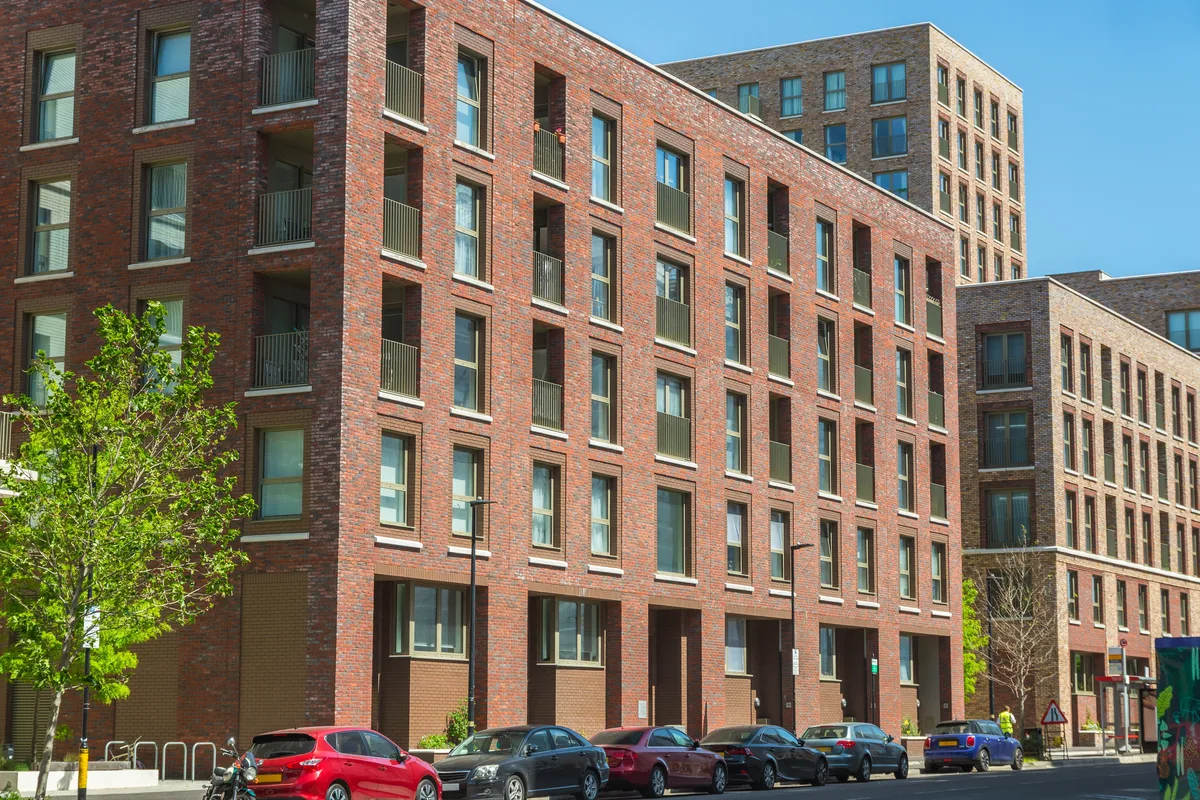
New York’s leased commercial stock is mostly vertical and mostly old: a trade at street level with tenants stacked above it, prewar loft and manufacturing floors converted to offices and studios, and elevator buildings where the stair, the riser and the street wall belong to the owner no matter whose name is on the lease. That geometry decides more placements here than anything else about the buildings does, because a loss in a stacked building travels between floors and the argument about who pays for it travels with the loss. Below is New York’s own statutory text on the exposure that surprises the owner of a stacked building most often, the financial-services department that licenses whoever sells you the policy, and the coverage lines that pick up each piece.

What New York law says
The vacancy provision
New York prints a standard fire policy in its own code, and that policy
carries a vacancy condition. The words that matter are these — the
provision suspends coverage
while a described building, whether intended for occupancy by owner or tenant, is vacant or unoccupied beyond a period of sixty consecutive days
.
An owner of a vertical building keeps score floor by floor, and the provision quoted above does not. It is addressed to the insured structure rather than to any single lease, and it draws no line between space the owner uses and space a tenant occupies — so the reassuring thought that the property is still working because the upper floors are busy may not be the thought your carrier is having. Emptiness in this stock is rarely tidy. A trade at street level closes while the offices over it stay full, and the systems serving the entire stack — car, boiler, standpipe, sprinkler riser — quietly stop being watched by anybody who actually works in the building. Get your broker’s reading of how a partly emptied building is treated under your form while the space still has a tenant in it, because that conversation is cheap in advance and worth very little afterward.
Source: N.Y. Insurance Law § 3404
If the standard market declines the building
New York maintains a residual-market mechanism for property that cannot be placed conventionally: New York property insurance underwriting association.
New York’s insurance regulator is the Department of Financial Services, which is where to verify any producer’s license before you buy.
A paired-row matching panel for a vertical commercial building leased to tenants in New York. Reading down the left are the exposures the geometry itself creates: fire beginning at street level and climbing the stack, mechanical equipment that belongs to the owner alone, a parapet failing over a public sidewalk, upper floors made unusable while the shell is repaired, and a ground-floor space that goes dark part-way through its lease. Reading down the right, in the same order, is the line of coverage that takes each one on: building coverage written on the fire wording the state prints, equipment breakdown bought beside the property policy, general liability where the upkeep record drives the terms, loss of rents across every leased floor, and the vacancy provision printed in the state code. A closing note records that ordinance or law and equipment breakdown are each added by limit.
What a stacked New York building carries
Which coverage line takes it on
Ordinance or law and equipment breakdown are each added by limit.
Where we write in New York
We write lessors risk across New York statewide. What changes building to building here is use, construction and tenancy rather than the municipal line the building sits inside — so start with the property type, or send the building and we will read it against the wording above.
By property type
What answers each of these in the policy
The exposures above are New York law and New York geography. These are the coverage lines that respond to them, explained without the state attached:
- Business Income & Loss of Rents
- Commercial Property
- General Liability
- Commercial Umbrella
- Tenant Discrimination
What all of that costs in New York, and which of the drivers you control: How Much Does Commercial Property Insurance Cost in New York?
New York lessors risk insurance FAQs
I own a walk-up with a store at street level and offices above it. Is that one policy?
Usually one property placement on the whole building, underwritten floor by floor. Space you lease rather than occupy is a lessors risk exposure whatever the tenant sells, and a habitational component above the storefronts rides on that same placement instead of moving to a separate product. What moves the terms is the ground-floor trade, the fire separation between it and everything overhead, and how the stair, lobby and trash area are shared by people who never signed the same lease.
The engineer flagged parapet and facade repairs. Does my property policy pay for those?
No. A property policy answers sudden accidental damage, not the upkeep a tall street wall needs in order to keep standing, and a repair order is a compliance cost you carry as owner. It reaches your insurance from two directions anyway: an untreated street wall becomes an underwriting objection before a quote is issued, and a piece of one landing on a sidewalk becomes a liability claim afterward. Keep the report, the scope and the invoices — that file is what gets a building priced as maintained.
The elevator motor burned out. Is that a property claim?
Not on the property form by itself. Mechanical and electrical failure inside equipment you own is what equipment breakdown coverage exists to answer, and in an elevator building that equipment list runs long: the car and its controller, the boiler, pumps, switchgear and whatever sits on the roof. It is bought alongside the property policy rather than inside it. The part owners underrate is the rent it can protect while a stalled car keeps upper-floor tenants from working at all.
Only the ground floor is empty and everything above it is leased. Do I still call my carrier?
Yes, and before the space empties rather than after. The words quoted higher up this page speak to the building, not to one lease, so a property that feels mostly occupied to you can be read another way on your form. Ask your broker what an endorsement would require of you, and keep heat, lighting, alarm and sprinkler service live in the dark part. An unwatched floor in a stacked building is how a contained event reaches everyone overhead.
Do I need to sprinkler a converted loft building before anyone will write it?
Sometimes, and that answer comes from your carrier and your building department rather than from a broker. Converted manufacturing floors draw the questions underwriters press hardest: whether the standpipe is wet and tested, whether sprinkler protection reaches the cellar and the shafts, how the stairs are enclosed and pressurized, what has been done to the wiring, and how each floor is used today against how it was built to be used. Put those answers in writing before you go to market.
Which New York agency licenses the people selling me this policy?
The Department of Financial Services. Insurance supervision sits inside a wider financial regulator here, so one superintendent oversees the banks lending against commercial buildings and the carriers insuring them. The practical use to you is the producer and company lookup published on its site, which we link under Sources — check whoever quotes you before any money moves, ours included. The department also receives consumer complaints, worth knowing while you still have a choice of markets.
Sources
The New York statements above are each traceable to one link below — open them and read the state’s own words rather than ours:
- N.Y. Insurance Law § 3404 — the vacancy provision quoted above, in New York’s own statutory text
- New York — the state’s own source for the residual-market mechanism — the residual market named above, where the standard market declines a building
- Department of Financial Services — the state regulator named above, and where to verify any producer’s license
Price a New York building, street level to roof
Send the address, what trades at grade, what sits above it, who maintains the elevator and the street wall, and whether any floor is sitting dark. The reply names the pieces that belong on the property policy, the pieces that need paper of their own, and the obligations your lease has already handed you.