
Lessors risk insurance by city
Commercial Property Insurance in Lincoln, Nebraska
Two very different pieces of weather shaped how a Lincoln building gets read, and they did not reach the same part of town. Salt Creek was answered generations ago by dams and a levee, and the old brick blocks sit inside what that system protects; the tornado that tore up a manufacturing plant arrived out on the far northeast side, where the wide-span bays and the rail stand in open ground. An underwriter working a Lincoln address spends most of the first call working out which of those two cities the building is standing in.

The building stock
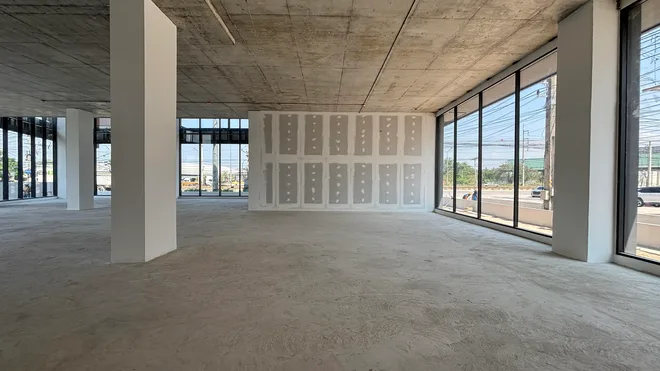
Brick historic commercial buildings in the downtown Haymarket area alongside newer single-story retail, office and warehouse construction.
Grid downtown and university district, with commercial corridors radiating outward to newer suburban retail and office parks.
What the weather and the ground do here
Severe convective storms, hail and tornado exposure; winter ice and snow loading are secondary concerns.
Put those together and the question stops being what Lincoln is built from and becomes where each thing sits. The load-bearing brick is concentrated in a few walkable blocks, most of it raised in the decade the town turned into a shipping point, with the old passenger depot anchoring one end of it and a second reuse district on the far side of downtown built out of a former telephone-and-telegraph campus. Everything else is a drive out from there. That geography is what gets priced, because a storm that costs you a membrane and a rooftop unit on a suburban office park is a wholly different event on a masonry parapet, an interior timber frame and a cornice standing over a public sidewalk. Same city, same policy, two repair jobs — and only one of them needs a mason who can match what is already there.
A paired panel for Lincoln, read straight across. The left column sets out what an owner here is standing under: rail-trade brick that still carries the building, a levee doing the work the creek used to do on its own, wind that reaches the outer industrial ring rather than the old core, a rehabilitation floor waiting its turn in a statewide queue, and a leased plant that people shelter inside when a warning sounds. The right column gives what answers each of those on the insurance side, row for row. A closing note records that water and wind in this city arrive at different addresses.
What stands where in Lincoln
What the placement has to do about it
Water and wind pick different halves of this city.
What Nebraska law adds on top
Nebraska’s contribution to this is narrower than owners expect: it settles which document you have to be handed, and stops there. What that document says about a building nobody is using sits inside the document, which means the reading that matters happens at your own desk rather than on a state website — and it is worth doing while the space is still leased and the question is theoretical. Lincoln then produces the awkward version of it on a schedule. A rehabilitation floor waiting its turn in a statewide funding queue is quiet on somebody else’s calendar. A plant on the outer ring can be emptied in an afternoon by weather rather than by a lease ending. Half a building can turn over while the other half never notices. None of that feels like an abandoned building to the owner living through it, and all of it is what the wording is actually about.
Nebraska requires fire policies written in the state to conform to a standard form, so the wording that decides an empty-floor claim comes from that form rather than from your insurer’s drafting.
The statute and the exact words where there are any, together with whatever the research recorded, are on the Nebraska page.
What a building costs to insure across the whole state is covered in How Much Does Commercial Property Insurance Cost in Nebraska?
By what you own in Lincoln
The three pages below take the same city apart by what you actually hold. Retail here runs from a storefront behind an old brick front to a corridor center with its own parking out past the ring. Office splits between downtown floors and low-rise suburban parks that fill and empty on a completely different rhythm. Mixed-use is the type that has changed most in Lincoln, because the reuse districts put commercial space at grade and a habitational component above it inside buildings that were designed for neither.
The coverage lines behind all of this
Take Lincoln back out of it and these are the coverage parts themselves — what each one is for, what it will not stretch to, and where owners usually find its edge:
Lincoln commercial property insurance FAQs
Salt Creek is a creek. Why does flood keep coming up on a Haymarket building?
Because the creek stopped being the thing that decides it. A mid-century federal project put dams upstream and ran a levee along the channel, and the warehouse blocks sit inside what that system protects. Flooding was reduced rather than ended, and the city has taken serious water since, with the levee holding. So the variable worth reasoning about is how an engineered system performs, not how a creek looks from the sidewalk. Either way, the property section of your policy is not where flood gets answered — it needs paper of its own.
The tornado went through the far side of town. Does that put my downtown building in the clear?
It puts it somewhere else, which is not the same thing. The outbreak that crossed Lancaster County began near Havelock, damaged a business, then did its worst to a manufacturing plant on the outer edge and to rail equipment beside it. That is the shape of a tornado file here: wide-span, lightly framed buildings standing in open ground. Downtown masonry has the opposite profile — heavy, braced by its neighbors, and exposed instead at the parapet, the roof edge and the glass. Own one of each and you own two storm problems.
I am rehabbing a Haymarket warehouse with the state historic credit. What should I plan for?
Three things, and insurance is usually the last of them to get attention. The credit reaches non-residential property, so if the plan puts a habitational component upstairs, that part of the building stands on its own footing. The money is allocated statewide on an annual cycle, so a Lincoln project queues alongside Omaha’s for the same pool, and the waiting is exactly when the floor sits quiet. The qualifying-spend test is stricter here than for a building in a smaller Nebraska town, and while the work runs you are generally on builders risk rather than lessors risk.
My tenant’s people shelter in the building when the sirens go. Where does that sit?
Closer to you than most owners assume. When a warning is live, everyone inside a leased building moves to whatever interior space the building offers, and that space is part of the premises you own. Worth settling in advance: which room they would use, whether it stays clear, whether it is lit, and whether the lease says anything at all about it. The property side of your policy rebuilds the shell afterwards. An injury claim runs through liability instead, and it turns on what was actually there that day.
Why does an underwriter care that my building is brick from the shipping-point era?
Because it decides what a repair looks like. Load-bearing brick, timber floors and a street-facing cornice do not come off a shelf; the work wants masons, matching units and a slower schedule, and whether your policy pays for that or for a modern equivalent is a wording question best settled at renewal rather than after a fire. Then add whatever the building department will require on the way back up, which is a separate purchase again. Ask about the valuation basis and ordinance or law coverage on the same call.
My building backs onto the rail corridor. Does that reach the underwriting?
It reaches the questions, certainly. What moves past a building matters to an underwriter, and so does how fire apparatus would get to the far side of it, what the yard lighting and fencing look like, and who maintains the ground in between. Lincoln has a recent reminder that the corridor is part of the risk picture rather than scenery: the same storm that damaged the plant on the outer edge left rail equipment on the ground beside it. None of that is disqualifying. It is simply asked, and it is better answered from your own records.
Sources
Before you take a word of this on trust, the office that licenses whoever is quoting your Lincoln building keeps its own public record:
- Nebraska Department of Insurance — the Nebraska regulator, and where to verify any producer’s license
Tell us which Lincoln your building stands in
Send the address, what the walls are made of, and who is in the space. The levee side of town and the open-ground side are underwritten differently, and what comes back is a specific read on yours — the exposures that will drive it and the wording worth fixing before renewal.