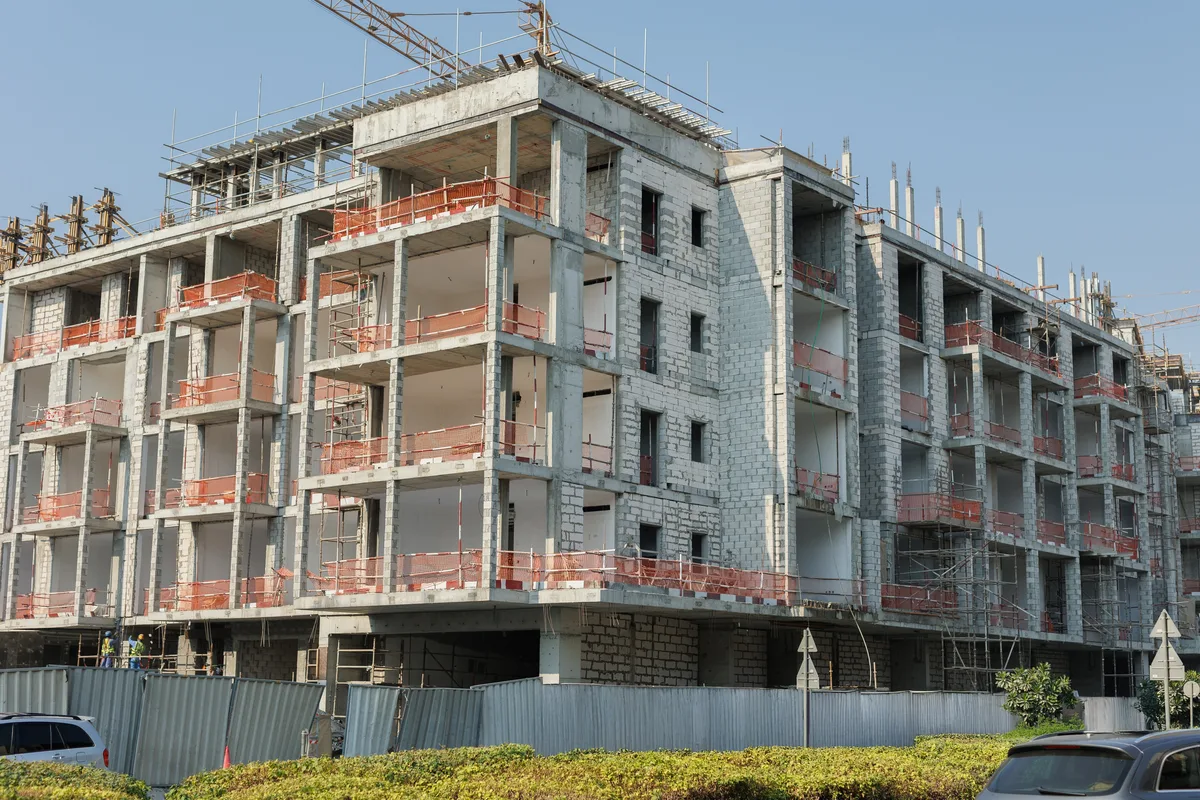
By the time that hurricane reached Augusta it was a long way from salt water and coming apart, and neither of those things made it mild — its worst arrived in gusts running well above the wind the same hours were recording as sustained, so what happened to buildings here was out of proportion to the figure anyone could look up afterwards. That gap is the useful thing to know about this city. The shorthand an Augusta address travels under — a wind reading, a protected designation, a line on a rent roll — is produced by somebody else for a purpose of their own, and it keeps coming in under what the building actually met.
Nate Jones is a CPCU-designated insurance broker and the founder of Wexford Insurance, LLC and Lessors Risk Guard Insurance. He places lessors risk and
commercial property coverage for owners who lease buildings to commercial tenants,
through a specialty panel writing in 48 states.
Reach him through the quote form or call 317-942-0549.
Last updated · Reviewed by Nate Jones, CPCU
The building stock
Broad-street historic downtown of masonry storefronts and older mid-rise buildings, with former textile mill and warehouse structures near the river.
Historic riverfront downtown with long suburban retail corridors extending toward outlying commercial and medical campuses.
What the weather and the ground do here
Severe thunderstorm, tornado and ice-storm exposure inland; Savannah River flooding affects low-lying property.
Water here is engineered, which is a different proposition from water that simply arrives. A canal was cut through this city to drive machinery and was later widened, partly to take pressure off the flooding; a levee stands between the built-up ground and the river; a system of named creek corridors threads through everything in between. The commercial shells this city is known for sit inside that arrangement rather than beside it, and one of the mill complexes still generates electricity while its redevelopment goes on around it. For an owner that produces an exposure with an unusual shape: the things standing between your building and a large volume of moving water were built, are maintained, and get altered by parties you do not control, cannot inspect and will never be shown the maintenance record for. An underwriter reading a building here is working out which of those arrangements the address is relying on, what the site does with water that arrives on it directly, and — where a conversion has happened — what was added inside a structure whose original services were laid out for a process rather than for tenants.
An Augusta building keeps arriving described in shorthand, and every piece of that shorthand is set here beside the question it does not close. A wind reading taken while the gusts ran far above it, against what the covering, the frontage and the signage actually met. An address the mapping treats as behind the levee, against what a levee was built to stop and what it was not. A vacant line on a rent roll, which records that the rent stopped, against whether anybody has been inside the building this month. A conversion recorded as complete, against what was added inside the shell and who signed that work off. And a canal and a levee somebody else maintains, against what an owner is standing downstream of and cannot inspect. A closing line records that a designation states an intention while a building has a condition.
What is written down about the building
What the writing does not settle
A wind reading taken while the gusts ran far above it
What the covering, the frontage and the signage met
An address the mapping treats as behind the levee
What the levee was built to stop, and what it was not
A vacant line on a rent roll, meaning the rent stopped
Whether anybody has been inside the building this month
A conversion recorded as complete
What was added inside, and who signed that work off
A canal and a levee that somebody else maintains
What an owner is downstream of and cannot inspect
A designation states an intention; a building has a condition.
In Augusta the paperwork and the building answer different questions.
The local law that binds you
Almost everything else written about a building here is written at a distance — off an instrument, off a map, off an accounting system. What the passages below belong to is the one family of record made by a person who has to attend the property and look at it, and that is the reason an owner should care that duties of this kind exist here at all. A description produced on site is the most useful document that will ever exist about a building nobody is trading in — and it is also the most dangerous one, because it is equally good evidence whichever way it reads, it is held by somebody other than you, and it does not come off the file when the situation improves. One detail in the citation underneath is worth a moment: it carries the city and the county together, and that is not a formatting quirk. There is one body writing here, so an owner working out what governs their property is reading one code rather than reconciling a municipal set against a county set.
Registration of vacant and abandoned buildings
Owners of vacant buildings, who elect to mothball in lieu of repairing or demolishing the structure, must register their properties at the license and inspection department prior to beginning work. This registration shall be made through a form provided by the department and shall include a list of a contact person or persons responsible for the maintenance and repair of the property. ... Mothballing permit. After registration, the owners of vacant buildings must obtain a mothballing permit from the license and inspection department.
This registration duty is conditional rather than general: it attaches to owners who elect to mothball a building instead of repairing or demolishing it. It is not a duty on every owner of a vacant building.
Mothballing vacant structures — initial and annual compliance inspections
Within ten (10) days of completion of the mothballing, the property owner must contact the Augusta License and Inspection Department to schedule an initial compliance inspection. Annually, the property will be inspected for compliance with the provisions of this Code Section.
Follows from the mothballing election above; it is the companion inspection duty, not a standalone requirement.
Whether rent is arriving and whether a building is being used come apart in both directions here, and neither parting shows up as a change in the numbers. A shell drawing no rent at all can have people in it every working day, with power on, plant running and a contractor’s crew working through it. A fully let building can carry a floor that nobody has physically entered since the last tenant handed the keys back, quietly, while the rest of the property trades and the schedule shows the address as performing. What gets read against an owner afterwards is not asking about the money at all — it is asking whether the space is being used, and it is asking about that particular space rather than about the property it sits in.
What Georgia law prints about an empty building is not settled here — our
research did not reach a verified answer, which is a limit on the search and
not a finding that no provision exists. Your own policy’s vacancy condition is
the text to read.
The statute and the exact words where there are any, together with whatever the
research recorded, are on the
Georgia page.
What you own decides which of this city’s arrangements you are actually standing inside. An office floor cut out of a mill volume sits alongside a working channel and inside a structure whose services were laid out for a process, so the questions run to what was threaded through it, what is still running in the parts nobody leases, and who attends the plant. Retail out on the corridors comes with its own site — surfacing, drainage, lighting, a freestanding sign — and a striking share of what goes wrong there goes wrong outside the walls before it goes wrong inside them. Mixed use is the one where people are in the property overnight, which changes what a bad night costs, who has to be got out of the building, and how much of the fire separation between the two halves was created by a conversion rather than by the original drawings.
Most of what gets argued after a loss is argued about a word rather than about a fact — what counts as damage, what counts as being in use, what counts as one occurrence, what counts as necessary to put the building back. The lines below are where those words are kept, and each page sets out where the word its line turns on draws its edge:
The wind figure on the record for that storm is not extreme. Why did so much come apart?
Buildings are taken apart by peaks rather than by averages, and here the two ran unusually far apart. The system was well inland and losing its structure, but its eastern side carried hurricane-force gusts into this area, and those gusts ran far above the sustained wind being recorded at the same time. What fails on a peak is the roof covering, the flashing, a glazed frontage, a freestanding sign, the equipment sitting on top. The instrument was not wrong. It was answering a different question from the one your wall was answering.
Water reached my tenant’s floor and the Savannah never left its banks. Where did it come from?
The river is one way water arrives here and it is not the most frequent one. The city’s own floodplain material identifies flash flooding and stormwater runoff from heavy rainfall as the unpredictable driver, separately from what the river is doing, and it names a long run of creek corridors threading through the built-up parts of town. The same material states plainly that areas designated as protected by the levee carry flood risk as well. A levee answers the river. It was never the thing answering the rain that lands on your own site.
There is a working channel beside my building and generating plant in the complex. Does any of that reach my policy?
It reaches the questions, which is where it matters. A canal cut to drive machinery is still a managed head of water with an authority behind it, and a complex that still generates electricity has live industrial plant inside a property being let for something else entirely. So expect to be asked what is running, who runs it, where your demise stops and the operator’s begins, and what your lease says about access for people who are not your tenants. None of that is exotic here. It is simply not in the standard set of questions.
I bought a mill building somebody else converted. What am I expected to hold on it?
The paperwork for work you never commissioned, which is the awkward part of buying a finished conversion. What an underwriter wants established is where the separation runs between a residential floor and a commercial one, what the sprinkler protection and the wet systems reach today, when that work went in and who signed it off. A conversion recorded as complete is a statement about a permit rather than about a building. If the previous owner kept the file, it is worth more than anything you can reconstruct from the fabric.
The building has been closed for a long stretch. What actually changes about insuring it?
What disappears is the reporting. A trading building is watched constantly and for free: a tenant notices a leak, a cleaner notices a door, a service engineer notices that a valve is passing, and every one of those generates a dated record without anybody deciding to keep one. Close the building and all of it stops on the same day the exposure goes up, so the first person to find a failure is often somebody who has climbed in. Whatever replaces it has to be deliberate, and it has to be written down while it is happening.
The roof held and the claim is about the lot, the sign and the trees. Is that ordinary here?
It is the ordinary shape of a windstorm loss for a landlord in this area. The damage that storm did was largely done by what stood over the buildings coming down onto them, and a lessors risk owner holds a great deal that is not the building: surfacing, lighting columns, fencing, a freestanding sign, and mature trees standing over parking, over roofs and over the frontage a tenant trades from. Those sit differently in a policy, several of them are sublimited, and the ground underneath them is ground the owner answers for.
Sources
Both quoted passages sit in one title of the code this city and county share, and each citation opens the document the city publishes; the remaining entry is the Georgia office that licenses the companies writing these policies and the people selling them:
The one-line version of your Augusta building will not price it
What decides a file here is the second layer of detail rather than the first. Not that the building is a former mill but what was put inside it and when; not that it stands near water but which of this city’s water arrangements it is relying on; not that a floor is empty but whether anybody is going into it. None of that is expensive to write down while the building is standing and let. All of it is guesswork once something has happened to it.