
Lessors risk insurance by city
Commercial Property Insurance in Chula Vista, California
A great deal of what gets leased in Chula Vista is space the public walks into — the older frontage along Third Avenue and Broadway, the centers strung along Telegraph Canyon Road and out around Otay Ranch, the suites behind them. What a tenant takes is the room. What an owner keeps is everything a customer crosses to reach it, after dark, at the hours those trades are busiest. An underwriter opening a file here gets to the shell soon enough, and not first.

The building stock
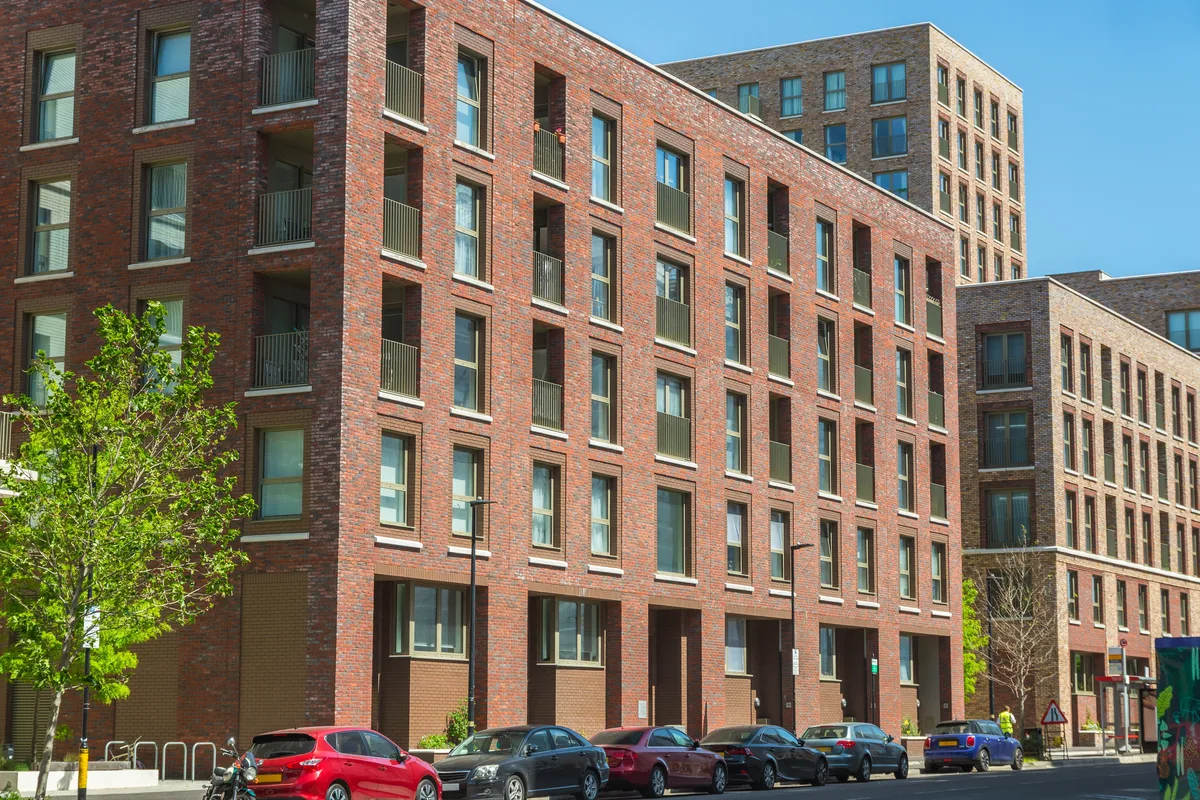
Predominantly newer low-rise stucco and tilt-up commercial construction, with an older storefront district near the historic downtown core.
Master-planned suburban growth; retail centers, business parks and mixed-use nodes along freeway corridors east of the bay.
What the weather and the ground do here
Wildfire exposure in the eastern hillsides, seismic activity on regional faults, and coastal marine corrosion near the bay.
Ask an underwriter what they need to know about a building of this kind and very little of the answer is about the building. A newer low-rise shell is a known quantity to anybody who prices property; what is not known, and what is rewritten every time a lease is signed, is what is being done inside it and who is invited in to have it done to them. The same shell holding a quiet back-office operation on one side and, on the other, a room people arrive at in numbers on a Saturday morning is two files rather than one. So the questions run to use: what each unit is doing this year rather than what the original permit called it, what a tenant installed to make that possible — water, heat, ventilation, chemicals, equipment somebody has to climb to — and who is on the property during the hours when nobody of yours is. Then they go outdoors, to the surface people cross, the light over it, and which side of the lease is supposed to keep either of them fit to walk on.
Six things that stay with an owner here after the tenants have moved in, each set against what it turns into when somebody has to price the property. Letting to trades the public is invited into puts occupancy ahead of construction in the rating. A fit-out that ran water and heat into a room that never had them raises whose property that work became. The walk from a parked car to a lit door is ground no lease ever handed over. The busiest hours being the ones with nobody of the owner’s on site becomes a question about who gets called and how long a building waits. A unit standing dark inside a run that keeps trading leaves liability running while the rent does not. And keys spread across cleaners, contractors and a lockbox becomes a question about who could get in, asked before anyone asks who did. A closing line records that rent and exposure do not stop together.
What stays with the owner after signing
What the file makes of it
Rent and exposure do not stop on the same day.
What we checked locally
The instrument we read is the abandoned-residential-property registration program the City keeps in its municipal code, and we read its operative sections rather than the heading on them. It stops short of a commercial landlord twice over, and either one would be enough on its own. The first is subject matter: the program is written for residential property, which it defines as property designed or permitted to be lived in, so a building let to businesses is not what the chapter is addressing. The second is the one owners never see coming. The obligation is not placed on the person who owns the property at all — it runs to the party pursuing foreclosure, the beneficiary under the deed of trust or whoever has taken the security through it, and it starts from a borrower’s default rather than from anything about how the building is being used or whether anyone is in it. A lender, on a home, after a default. That is a reading of that program and it is the whole of what this page settles. Our research could not open the City’s own building and development pages — the requests were refused rather than answered — so nothing here is an account of everything Chula Vista publishes. Where the point bears on a purchase or a lease, put it to the City and to your own attorney before you rely on it.
What California law adds on top
A unit here stops earning long before it stops being entered, and only one half of a lessors risk policy notices the difference. The state rule that reaches your form is reading use, and use is a fact about a space: it can change for one suite while the address around it trades exactly as it did. What carries on regardless is everybody else. An unlet unit is shown by brokers, opened for contractors, walked by the owner, and on frontage facing a lot nobody watches it is entered occasionally by people with no business being there. The ground outside never goes quiet either, because the tenants either side are still open and their customers are still crossing it. So the two sides of the placement react to the same empty suite on entirely different schedules — one of them at once, the other not at all — and it is the half that does not react that owners forget they are still carrying.
California prints a vacancy provision in its own code, and it runs on the building’s occupancy rather than on your conduct.
The statute and the exact words where there are any, together with whatever the research recorded, are on the California page.
What a building costs to insure across the whole state is covered in How Much Does Commercial Property Insurance Cost in California?
By what you own in Chula Vista
Retail is the long-established tier here and it is not one thing: independent frontage on Third Avenue and along Broadway, turning over a unit at a time on nobody’s schedule, against managed centers out at Otay Ranch, on the Bonita Road edge near Plaza Bonita, and around H Street, where a single operator sets the hours, the lighting and the standard of the lot for everybody in the run. Office here is largely low-rise and suburban — professional suites in the EastLake Business Center and in the newer eastern development — leased in small parcels to firms serving the households around them, which puts visitors rather than staff at the front door. Mixed use is the newest of the three and a planned product rather than an inherited one; where it appears, around Millenia and the ground near the Otay Ranch center, the commercial floor and whatever is stacked over it were drawn as one structure, so separation and shared services were somebody’s design decision rather than an accident of conversion.
The coverage lines behind all of this
Each page below stays with a single line of coverage for long enough to say where it stops. The edge of a line is what decides a claim, and it is never the part an owner is shown when a policy is quoted:
Chula Vista commercial property insurance FAQs
I lease the whole building out. Why does an underwriter want to know what my tenants do all day?
Because construction is the settled half of the question and occupancy is the open one. What an underwriter cannot read off a shell is how many visitors come through a door in a week, what is being done to them while they are there, and what had to be installed to make it possible. Two suites of identical construction with unlike trades in them are two placements, and the occupancy is the whole of the difference.
Somebody fell in the lot outside my tenant’s door. That is the tenant’s problem, surely?
It is shared at best, and frequently not shared at all. The ground people cross to reach a leased door is usually retained rather than demised to anybody, so the surface of it, the light over it and whatever has been left lying on it stay with you however the space itself is let. An injured visitor has no reason to work out which of you was responsible before naming both. What settles your share afterwards is the lease and the maintenance record, in that order.
The city code has an abandoned-property registration program in it. Does a commercial landlord carry that?
Not that one, and the reasons are worth having because they are not the ones owners guess at. It is written for residential property — property designed or permitted to be lived in — so a building let to businesses is outside its subject matter before anything else is considered. And the duty in it is not laid on an owner: it runs to the party pursuing a foreclosure, from the point of a borrower’s default. That is a reading of that program only, and anything wider belongs with the City and with your own attorney.
One unit in my center has been dark for months while the rest keep trading. What changes?
Things move in opposite directions, which is why this gets missed. The property side of your own policy is reading a space rather than an address, so an unused unit can put itself into a different category while the run around it earns as it always did. The liability side does not pause at all: the lot is still crossed, the frontage is still walked past, and a dark unit invites the kind of entry nobody schedules. Keep it lit, keep it locked, and have somebody walk it often enough to say when they last did.
A management company lights and sweeps the common areas. Has that moved the exposure off me?
It has moved the work, which is a different thing from moving the duty. Hiring somebody competent to keep a surface safe is the right decision and it leaves you exactly as answerable to a visitor hurt on it; the contract between you decides who reimburses whom afterwards. The real cost is evidential. Inspection sheets, lamp replacements and repair tickets are the documents that show you were on top of it, and they now live in a filing system you do not own. Ask for them while nothing has gone wrong.
My tenant has sublet part of the space to another business. Am I underwriting that?
You are, whether or not anybody told you. What you are carrying follows what happens inside the building rather than whose name is on the lease, so a sub-occupier running an unlike operation moves the risk while your file still describes the original tenancy. Consent provisions exist for exactly this and are worth exercising rather than waiving: ask what the sub-occupier does, what they intend to install, and how their own insurance is arranged. Found at renewal this is manageable. Found by an adjuster it is not.
Sources
One authority is listed below and it answers a question this page has not been about — it is the state insurance department’s own register of who holds a current license to place this business, kept by the regulator and by nobody else:
- California Department of Insurance — the California regulator, and where to verify any producer’s license
Have your Chula Vista property priced on who is inside it
The facts that settle a placement here are not on a listing sheet: what each tenant actually does in the space, what they installed to do it, who keeps the surfaces and the lighting outside their door, and which of those the lease has already moved off you. Owners here almost always know the first and have almost never been asked the last, and that gap is what an intake call is for.