
Lessors risk insurance by city
Commercial Property Insurance in Little Rock, Arkansas
Commercial Little Rock is documented a block face at a time. A row of early commercial buildings along one side of a single Main Street block; a separate run of storefronts further south on South Main; a state-owned stretch spanning a full block that the state is trying to hand to somebody who can convert it; a former industrial quarter east of all of it that was never any of those things. An underwriter working here is not pricing a district, because there is no one district to price — it is pricing an address whose neighbors may have almost nothing structural in common with it.
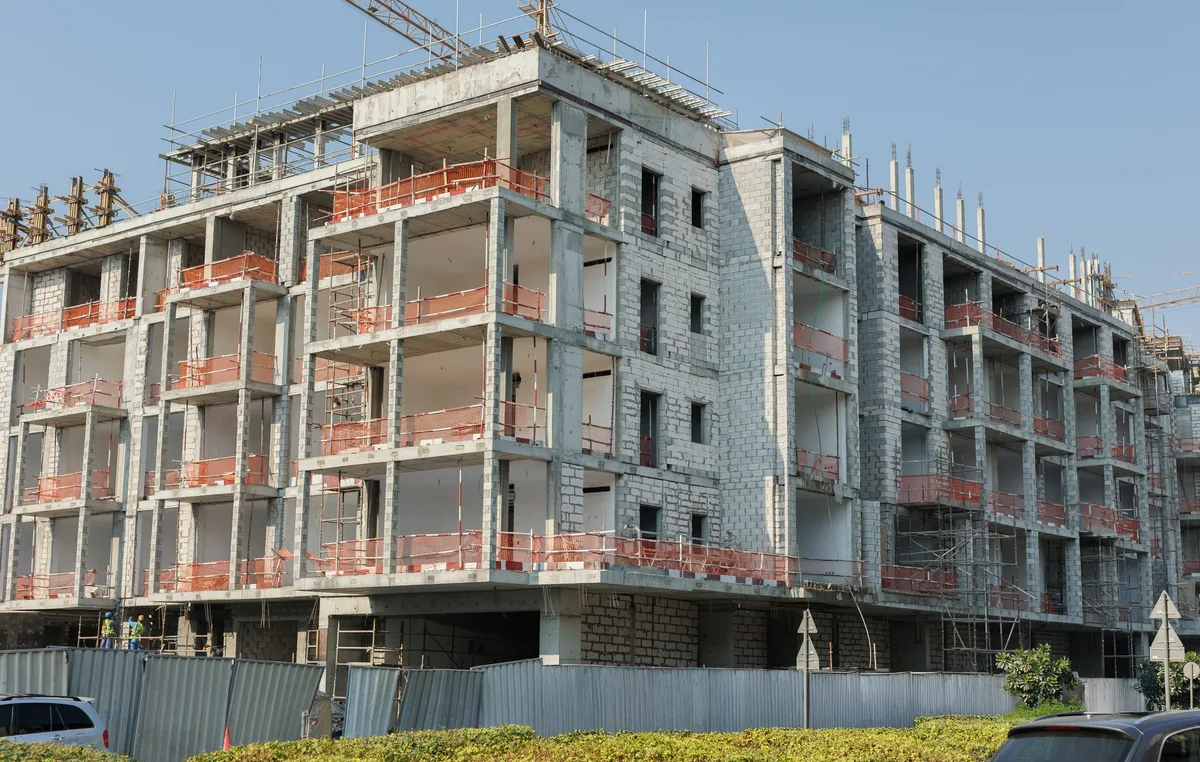

The building stock
Mixed downtown mid-rise office and masonry commercial stock, with widespread single-story retail and light-industrial buildings along the corridors.
Compact riverfront downtown surrounded by strip-commercial arterials and suburban office and retail development to the west.
What the weather and the ground do here
Severe thunderstorm, hail and tornado exposure; New Madrid seismic influence and river flooding along the Arkansas.
What decides a placement here is usually what went into a shell built for something else. East Village was this city’s industrial quarter first — mills, freight and lumber yards, factories, and housing for the people who worked in them — and the reuse running through it now has put offices, homes, a market and a brewery into volumes drawn for machinery. A paint factory carrying an architecture firm’s headquarters is not an old office building; it is an industrial shell with an office inserted into it, and every question worth asking is about the insertion rather than the shell. Downtown poses the same question from the other end. The state has gone to the market looking for parties who have done adaptive reuse before, on its own downtown commercial buildings, with an inventory of historic elements written into what that work is meant to involve. An owner in that part of town may be holding fabric that has been cataloged in a way that will decide how it gets put back, which is a valuation conversation long before it is a repair.
Six conditions an owner meets in Little Rock, each paired with what has to be settled about it before a loss rather than during one. The conditions run in order: a storm that took the western arterials and missed downtown; a shell raised for freight now carrying offices and homes; ground that changes character between one address and the next; a first report that the correction never quite catches; fabric cataloged in a way that decides how it goes back; and a floor standing quiet while a conversion is still on paper. Set against those, in the same order: a file kept per building because the portfolio moved separately; what was inserted into the shell and who signed the work off; a site report that says nothing about the owner’s other building; what the owner wrote down while the event was still running; whether the valuation contemplates putting that fabric back in kind; and the wording in the document covering that one building. A closing line records that one owner here can sit inside two unrelated events in a single year.
What this city hands an owner
What has to be settled before the loss, not during it
One owner here can sit inside two unrelated events in a year.
What Arkansas law adds on top
This city empties buildings in ways that have nothing to do with each other. The tornado damage that got reported here landed on shopping centers along Rodney Parham and a fire station on Shackleford Road, out on the western arterials; the river belongs to the downtown and eastern addresses and reaches none of that. An owner holding one of each will at some point have a space standing quiet for a reason the rest of what they own never felt — and what happens next is not settled by the lease, which is about the tenant, or by the rent roll, which only records that the money stopped. It is settled by the wording in the document covering that particular building. Owners tend to meet that wording in a bad week. It reads very differently in a calm one, which is the only time anything about it can still be changed.
What Arkansas law prints about an empty building is not settled here — our research did not reach a verified answer, which is a limit on the search and not a finding that no provision exists. Your own policy’s vacancy condition is the text to read.
The statute and the exact words where there are any, together with whatever the research recorded, are on the Arkansas page.
What a building costs to insure across the whole state is covered in How Much Does Commercial Property Insurance Cost in Arkansas?
By what you own in Little Rock
The three types split along the same line the weather does. Retail out west is pads and strip along the arterials, wide frontage and surface parking with national and regional tenants; retail downtown is a storefront in a row on Main or South Main, narrow, old, independent, and sharing a wall with whoever is next to it. Office divides the same way, between the western plates and floors carved out of downtown commercial buildings raised in the first half of the last century. Mixed use is almost always a conversion here — commercial at grade with a habitational component above it, in a shell drawn for wholesale, industrial or department-store work.
The coverage lines behind all of this
A lessors risk program is a set of named parts rather than one product, and each part settles a different question about the same loss: who pays to put the shell back, what happens to rent that has stopped, and who answers when somebody is hurt on ground the owner controls. What each of them is actually for:
Little Rock commercial property insurance FAQs
Why is my west Little Rock building underwritten differently from my downtown one?
The perils that govern this city land on opposite sides of it. The wind damage on record fell out on the western arterials, as the body of this page sets out; the river belongs to the downtown and eastern addresses. Construction follows the same line: strip retail with surface parking on one side of town, older masonry sharing walls on the other. An owner holding one of each is holding unlike risks that happen to share a mailing city, and they rarely place as a single file.
Is the ground the same under everything I own here?
Little Rock sits where two geologic provinces meet. Older and more resistant rock of the Ouachitas underlies one end of the city, while the softer clays, sands and silts of the west Gulf Coastal Plain reach the southern end — and the boundary between them runs through the municipality rather than around it. The practical consequence is narrow but real: a soils report, a survey or an engineer’s opinion obtained for one of your addresses is evidence about that address. It is not evidence about the next one, however alike the two look on a map.
What does an underwriter want to know about a converted East Village building?
What the building does now and what it was raised to do are different answers here, and the distance between them is the underwriting question. That quarter was built for industry and for the workforce that served it, as the body of this page describes, and reuse has since put offices, homes and food-and-drink tenants into volumes drawn for machinery. Where a residential floor sits over a commercial one, the separation between them arrived with the conversion rather than with the original drawings, and the paperwork proving it is the owner’s to keep.
The state is looking for someone to convert a downtown block. What should a nearby owner take from that?
That the conversion pipeline downtown is live, and that it comes with strings. The state has asked the market for parties experienced in adaptive reuse of its own downtown commercial buildings, the intended result being homes on the upper floors over retail at grade, with an inventory of historic elements part of the work. For a neighboring owner that means construction alongside you for a stretch, a shifting tenant profile on the block, and a fair question about your own fabric: has any of it been cataloged in a way that would govern how it is rebuilt?
During the flood, the first reports said a levee near the capital had failed. How should an owner read that kind of coverage?
As a first draft. The report was corrected: what had been breached was a containment berm at a riverside petroleum facility, and the levee across the water at North Little Rock was intact and never in danger. A correction reaches a fraction of the people the original did. The lesson for an owner is procedural rather than hydrological — what your own building did during an event, photographed and dated by you while it was happening, outranks anything you are later told about the neighborhood.
A tenant is out and the space will sit while we design a conversion. What governs that stretch?
Your policy is interested in whether the space is in use and indifferent to why it is not. A floor held back on purpose while drawings are produced reads on paper exactly like a floor nobody wanted. The wording that governs it sits in the document covering that building, and the useful moment to read it is while a tenant is still in the space, because that is when what counts as in use, what has to stay switched on, and what has to be reported can still change the outcome instead of merely explaining it.
Sources
Arkansas licenses both the companies that write these policies and the people who sell them, and the department below is where each of those records is kept:
- Arkansas Insurance Department — the Arkansas regulator, and where to verify any producer’s license
Price a Little Rock building, not a Little Rock portfolio
Two buildings in this city can be unlike enough that they belong in separate conversations, so it is easier to begin with one of them: what it was raised to do and what it does now, which side of town it stands on, how the leases handle repairs and utilities, and whether anything is between tenants at the moment. Owners who have been through a western storm or a river year usually hold most of that already.